
Respiratory Syncytial Virus (RSV): Why January and February Are Peak Months
Winter brings cozy sweaters, warm drinks—and unfortunately, a rise in seasonal illnesses. One virus that consistently peaks during January and February is Respiratory Syncytial Virus (RSV). RSV is a major cause of respiratory infections, particularly affecting young children and older adults. While it may start with cold-like symptoms, RSV can quickly become serious if not managed properly. If symptoms persist or worsen, families can seek trusted pediatric care at PHCA Altoona.
What Is Respiratory Syncytial Virus (RSV)?
RSV is a highly contagious respiratory virus that infects the lungs and airways. Most people will experience RSV at least once in their lifetime, but infants, seniors, and individuals with weakened immune systems are at higher risk of complications. For expert guidance on childhood respiratory illnesses, parents can rely on the experienced medical providers at PHCA Altoona.
Who Is Most at Risk?
- Infants under 1 year
- Premature babies
- Children with asthma or heart conditions
- Adults over 65
- People with compromised immunity
Why RSV Peaks in January and February
Cold weather plays a big role in RSV’s winter surge. As temperatures drop, people spend more time indoors, increasing close contact and making it easier for viruses to spread. Dry winter air can also irritate airways and weaken immune defenses, giving RSV the perfect opportunity to thrive.
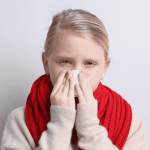
Common RSV Symptoms in Children
Mild Symptoms
- Runny nose
- Cough
- Sneezing
- Low-grade fever
Severe Symptoms
- Rapid or labored breathing
- Wheezing
- Trouble feeding in infants
- Bluish lips or fingernails
If a child is struggling to breathe or if symptoms worsen, medical care should be sought immediately.
RSV Symptoms in Older Adults
In older adults, RSV often mimics the flu or COVID-19, making diagnosis difficult. Symptoms may include persistent cough, shortness of breath, fatigue, and chest discomfort. RSV can worsen chronic conditions like asthma, COPD, or heart disease and may lead to pneumonia. Early medical assessment at PHCA Altoona is especially important for seniors.
How RSV Spreads
RSV spreads easily through:
- Coughing or sneezing
- Direct contact, such as hugging or kissing
- Touching contaminated surfaces
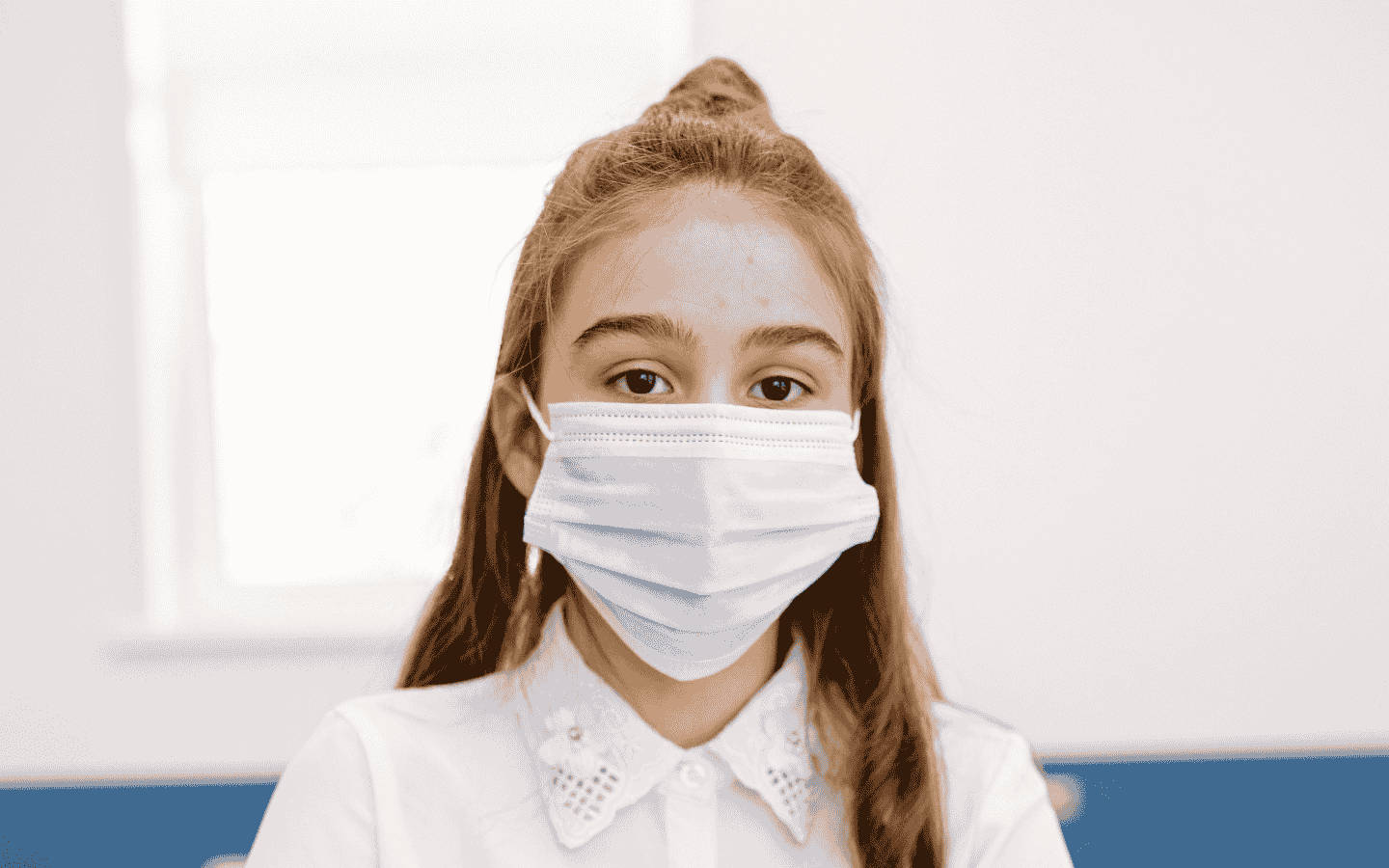
The virus can survive on surfaces for hours, making frequent handwashing especially important.
RSV Prevention Tips
Simple preventive steps can significantly reduce the risk of RSV:
- Wash your hands often with soap and water
- Disinfect frequently touched surfaces
- Avoid close contact with sick individuals
- Limit visitors for newborns during peak RSV months
For high-risk infants, pediatricians may recommend preventive treatments.
Treatment and Home Care
There is no specific cure for RSV, but most mild cases can be managed at home with:
- Plenty of fluids
- Rest
- Fever reducers (as advised by a doctor)
- Cool-mist humidifiers to ease breathing
Severe cases may require hospitalization for oxygen support or IV fluids.
When to See a Doctor
Seek medical attention if you notice:
- Difficulty breathing
- High fever in infants
- Signs of dehydration
- Worsening cough or wheezing
Early care can prevent serious complications.
Conclusion
RSV is a common but potentially serious winter virus, especially during January and February. Awareness, early symptom recognition, and preventive measures can go a long way in protecting children and older adults. Staying informed and acting quickly when symptoms escalate can help prevent winter illnesses from becoming major health concerns.