
Spring Seasonal Allergies in Young Children — What Altoona Parents Need to Know
As March turns to April in Altoona, Pennsylvania, trees begin to bloom, pollen fills the air, and for many young children, seasonal allergies start to flare. Spring is one of the most challenging seasons for infants and toddlers with sensitive immune systems. While adults may dismiss a runny nose as “just allergies,” in young children the symptoms can mimic more serious infections — making it essential for parents to recognize the difference and seek expert guidance.
What Are Seasonal Allergies?
Seasonal allergies, also known as allergic rhinitis or hay fever, occur when the immune system overreacts to outdoor allergens like tree pollen, grass, and mold spores. In Altoona, PA, spring brings a surge in tree pollen from elm, oak, and birch trees — notorious triggers for little ones prone to sensitivities. Healthcare for infants
must account for these seasonal shifts from the very first months of life, as even very young babies can exhibit allergic responses to environmental changes.
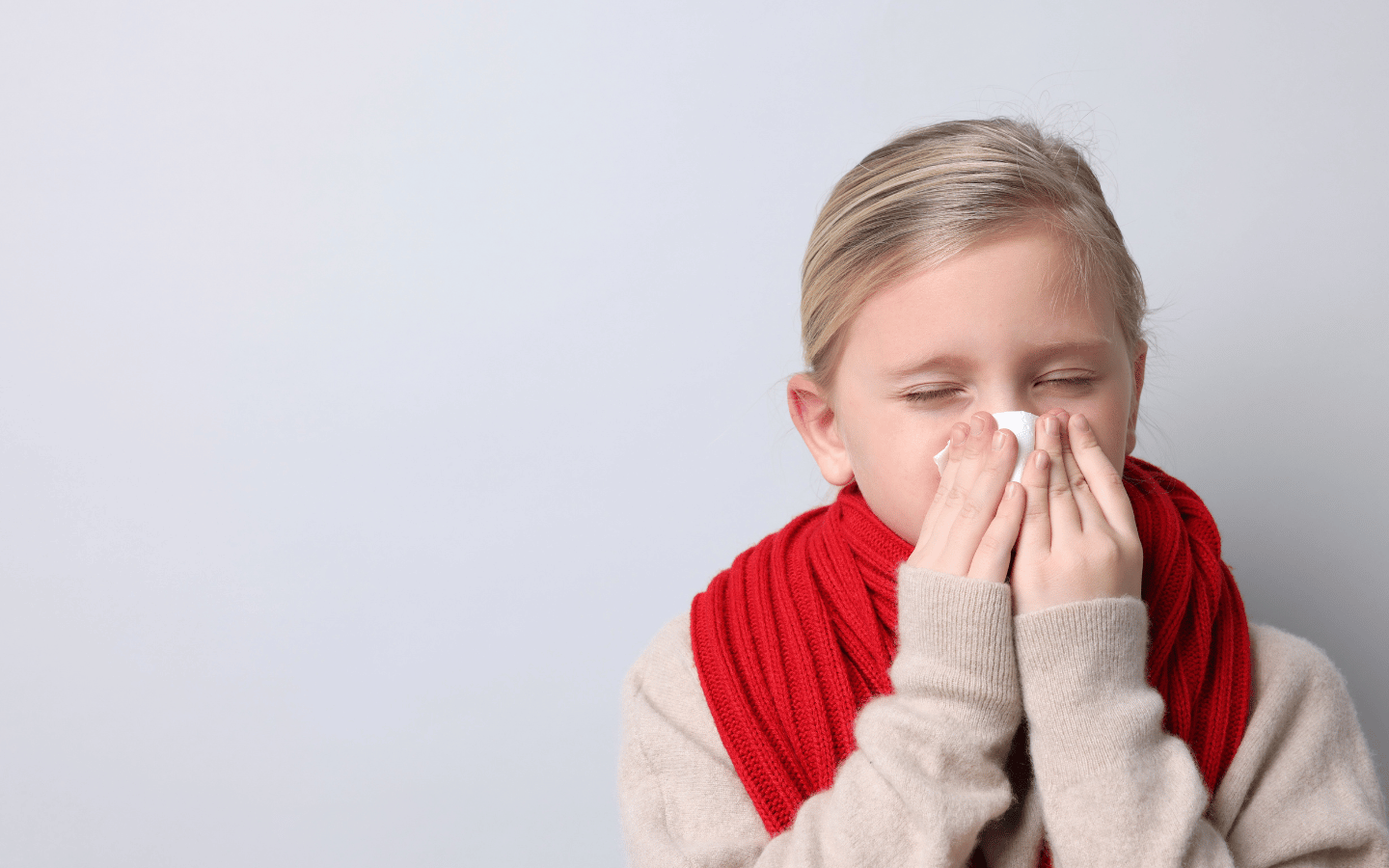
Common Symptoms in Infants and Young Children
Symptoms of seasonal allergies in young children include:
- Persistent runny nose with clear discharge
- Frequent sneezing
- Itchy, watery, or puffy eyes
- Nasal congestion that disrupts sleep or feeding
- Coughing, particularly at night
- Skin rashes or mild hives in sensitive cases
How Seasonal Allergies Differ From a Cold
One of the trickiest aspects of managing allergies in young children is distinguishing them from the common cold. A cold typically produces thicker, yellowish or greenish nasal discharge and is accompanied by fever. Allergies cause clear, watery discharge with no fever and tend to last for weeks rather than the typical 7–10 days of a cold. If you’re unsure what your child is experiencing, the PHCA Symptom Checker is a helpful first step to understand what might be affecting your little one this spring.
Why Infants Are Particularly Vulnerable
Infants under 12 months cannot blow their noses or communicate their discomfort. Nasal congestion can interfere with feeding, sleep, and breathing, making even mild allergic reactions more challenging for babies. Personalized healthcare pediatric care in these early months involves close monitoring of respiratory health and timely intervention when symptoms appear.
When to See a Pediatric Physician
Parents should schedule a pediatric appointment if their child’s symptoms are persistent, worsen over time, or begin to interfere with sleep and feeding. An experienced pediatric physician can differentiate between allergies, colds, and infections and provide an appropriate treatment plan that may include antihistamines, saline nasal rinses, or referrals to specialists.
Managing Allergies at Home
While professional care is essential, Altoona families can also take steps at home:
- Keep windows closed on high-pollen days
- Use HEPA air filters indoors
- Bathe children after outdoor play to remove pollen
- Monitor local pollen counts daily
As a trusted name in Altoona pediatric care since 1978, Pediatric Healthcare Associates (PHCA) understands the unique seasonal health challenges faced by local families. Whether it’s a new allergy concern or a recurring springtime struggle, PHCA’s team of specialists is ready to help your child breathe easier this season. Don’t let springtime allergies slow your child down — reach out to your PA pediatric care team today.