
The Common Cold in Young Children — Why Spring Is No Safe Haven
Many parents assume the cold season wraps up with winter, but in Altoona, Pennsylvania, young children can catch colds throughout spring as well. Early spring brings a mix of temperature fluctuations, indoor-to-outdoor transitions, and increased social gatherings — all of which create the perfect environment for rhinoviruses and other cold-causing pathogens to circulate among infants and toddlers.
Why Spring Colds Happen
The common cold is caused by over 200 different viruses, with rhinovirus being the most prevalent. These viruses thrive in the cool, transitional temperatures of early spring. Children in group care settings are especially at risk as they haven’t yet built broad immunity. A baby’s first few years typically involve 6–10 colds per year — and spring is certainly not exempt from that count.
Cold Symptoms in Infants and Toddlers
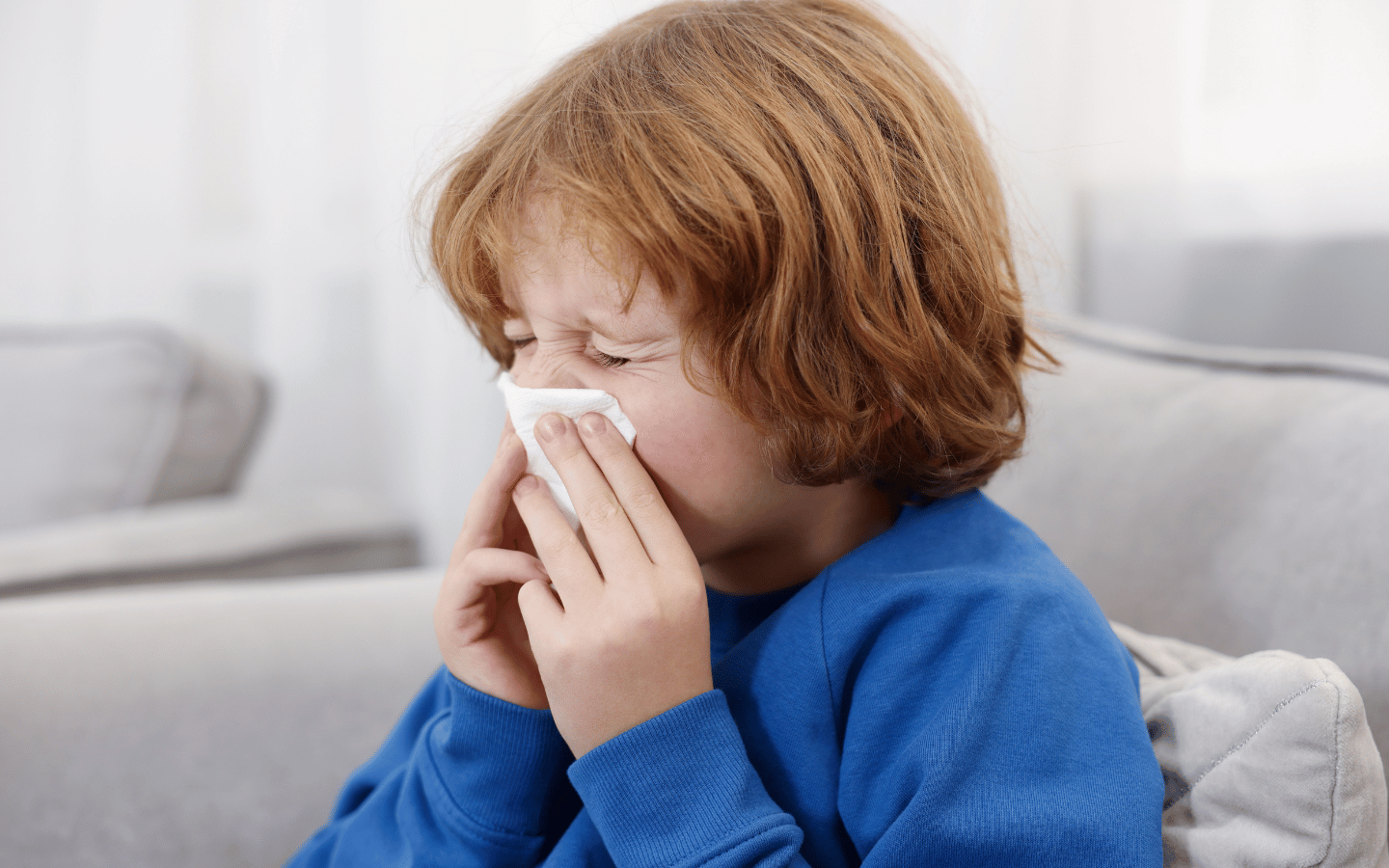
In young children, cold symptoms typically develop 1–3 days after exposure and may include:
- Runny or stuffy nose (often starting clear, then turning yellowish)
- Sneezing
- Mild fever
- Coughing
- Decreased appetite
- Irritability and fussiness
- Trouble sleeping due to congestion
In infants, nasal congestion is especially problematic because babies are obligate nose-breathers. Difficulty breathing can significantly disrupt feeding and sleep.
Cold vs. Something More Serious
While colds are self-limiting, they can sometimes escalate into more serious conditions like ear infections, sinusitis, bronchiolitis, or pneumonia — particularly in infants under 6 months. Red flags to watch for include:
- Fever above 100.4°F in babies under 3 months
- Rapid or labored breathing
- Symptoms that worsen after day 7
- Refusal to eat or drink
- Signs of dehydration
The PHCA Symptom Checker can help you determine whether your child’s symptoms warrant an urgent visit. Medical Pediatrics and the Common Cold There is no cure for the common cold, but medical pediatrics focuses on supportive care and preventing complications. An experienced pediatric physician will assess your child’s breathing, ear health, and hydration status to ensure the cold hasn’t developed into something more serious.
Home Care Tips for Altoona Families
Managing a cold at home includes:
- Using a bulb syringe or nasal aspirator to clear nasal congestion in infants
- Running a cool-mist humidifier in the child’s room
- Offering frequent small feedings — breast milk or formula for infants
- Ensuring adequate rest and limiting stimulation
- Keeping older children home from school to prevent spreading illness
PHCA Is Here When You Need Us
If your child’s cold symptoms are prolonged or worsening, the healthcare pediatric team at PHCA is just a call away. Healthcare for infants is a top priority at PHCA, and acute care pediatrics services mean your child will be seen quickly. Thanks to same day sick appointments, you’ll never have to wait days for answers when your little one is unwell. Let the associates in pediatrics at PHCA guide you through your child’s health journey, every step of the way.