

The Common Cold: Why It’s So Frequent During Indoor Seasons
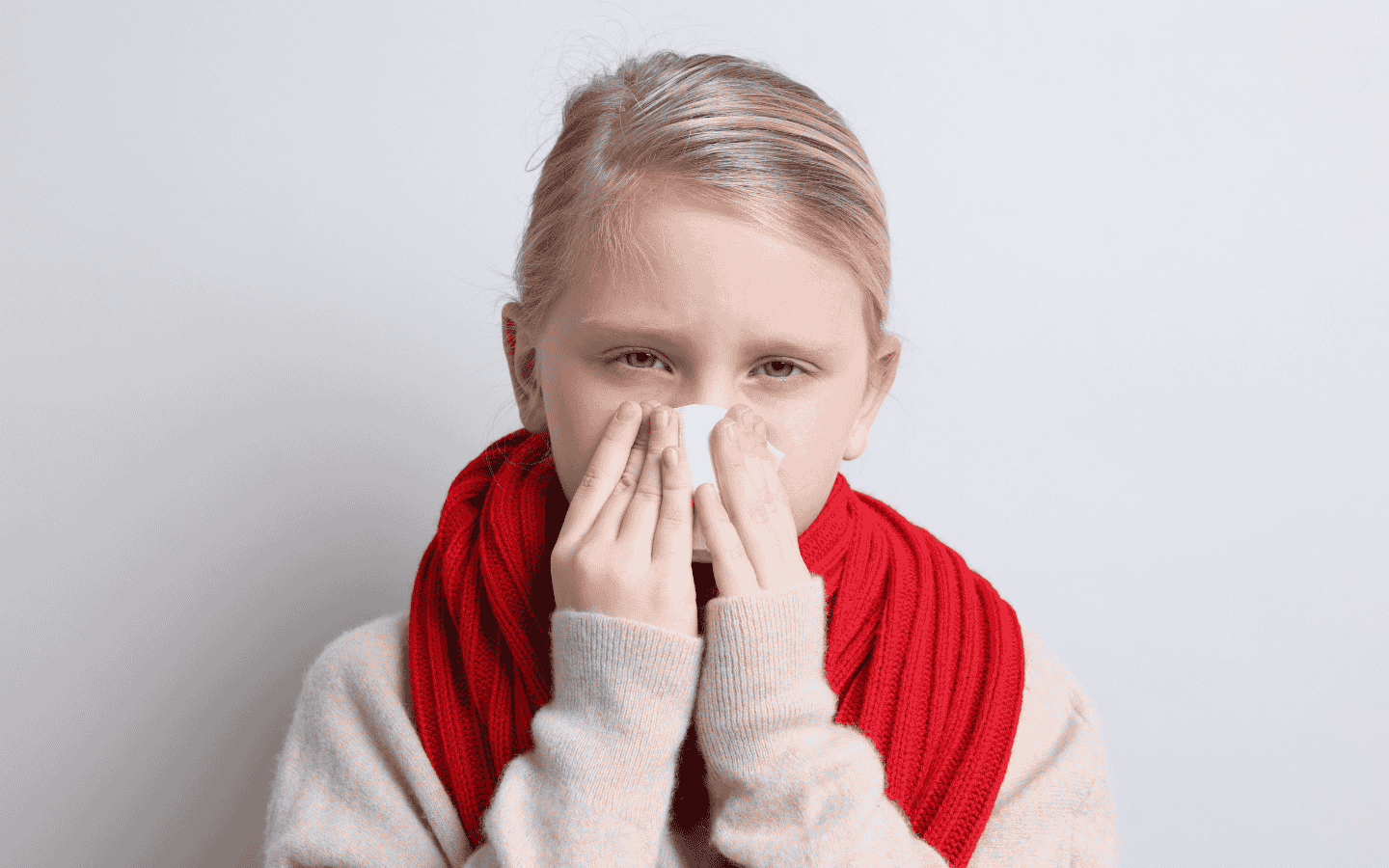
The common cold may sound harmless, but when it strikes repeatedly, it can feel like an uninvited guest that just won’t leave. During colder months or dry seasons, colds become especially frequent. Spending more time indoors combined with dry air creates the perfect environment for cold viruses to spread, leading to familiar symptoms like congestion, sneezing, and sore throat. If cold symptoms linger or worsen, families can seek trusted pediatric care at PHCA Altoona.
What Is the Common Cold?
Simple Explanation
The common cold is a viral infection of the upper respiratory tract, mainly affecting the nose and throat. It’s usually mild but extremely contagious.
Viruses Behind the Cold
More than 200 viruses can cause a cold, with rhinoviruses being the most common culprits.
Why Colds Are More Common Indoors
Dry Air and Nasal Passages
Dry indoor air dries out nasal passages, reducing their ability to trap viruses. Think of it like removing a filter—germs pass through more easily.
Close Contact and Germ Spread
Indoor living means shared spaces, recycled air, and closer contact, making it easier for viruses to jump from person to person.
Common Cold Symptoms
Early Symptoms
- Sneezing
- Runny or stuffy nose
- Mild sore throat
- Fatigue
Symptoms in Children vs Adults
Children may experience stronger symptoms and longer recovery times due to developing immune systems, while adults usually recover faster.
How the Common Cold Spreads
Airborne Droplets
Coughing and sneezing release tiny droplets carrying the virus into the air.
Surface Transmission
Cold viruses can survive on surfaces like doorknobs and phones for hours, waiting for the next hand to touch them.
Prevention Tips
Hygiene Habits
- Wash your hands frequently
- Avoid touching your face
- Disinfect commonly touched surfaces
Boosting Immunity
- Stay hydrated
- Eat nutrient-rich foods
- Get enough sleep
Treatment and Home Care
What Helps
- Rest
- Warm fluids
- Saline sprays for congestion
- Humidifiers to add moisture to the air
For same-day medical attention, parents can turn to PHCA Altoona for dependable pediatric care.
What to Avoid
Antibiotics won’t help—colds are viral. Avoid unnecessary medications unless advised by a doctor.
Conclusion
The common cold thrives in indoor environments and dry air, making it especially frequent during certain seasons. While it’s usually mild, understanding how it spreads and taking simple preventive steps can reduce its impact. Good hygiene, proper rest, and supportive home care go a long way in keeping colds under control. With the right care and support from PHCA Altoona, families can confidently manage common colds and seasonal illnesses.